
Ethnobotany and Beyond
consulting - coaching - events - education - project development
we exist for the love of the land.
Foraged Future offers insight, education, guidance, and mentorship to those embarking on land stewardship journeys and farm projects. Run by Lou Steele [an ethnobotanist, mycologist, herbalist, and artist], Foraged Future exists to bring care and intention into land-based practices and organizations.
Let’s forge a future worth foraging for,
Together.


-
Foraging is a traditional practice is found all over the world and is defined as the sustainable harvest of local plants and fungi for food, craft, and medicine. Nowadays, introduced species have diversified the amount of options we have around us. Regardless of whether or not the species you’re foraging is from the microbiome of your backyard (rare), introduced, or invasive we should all aspire to forage responsibly. Indigenous foraging practices are inspired by oral and spiritual traditions, precise meteorological readings and predictions, and recognition of micro-season (& their products).
-
"Landback is a moment that has existed for generations with a long legacy of organizing and sacrifice to get Indigenous Lands back into Indigenous Hands." - NDN Collective
-
Ethnobotany is the study of how people of a particular culture and region make use of indigenous (native) plants. Plants provide food, medicine, shelter, dyes, fibers, oils, resins, gums, soaps, waxes, latex, tannins, and even contribute to the air we breathe. Source: U.S. Forest Service: https://www.fs.usda.gov/wildflowers/ethnobotany/index.shtml
-
Four centuries of colonialism have cruelly destroyed and displaced entire family lineages and often some of their symbiotic plant/fungi neighbors.
For the least fortunate of us, we may have zero knowledge of our heritage plants or are being held captive by monopoly corporations who act as the hostile, singular sources of our connections to home. Land dispossession violently separates people from their homes, cultures, and futures—and in doing so we are forced through culinary assimilation.
As our meals grow identical, we destabilize our gut biomes, biodiversity in natural ecosystems and force our neighbors to rely on easily disrupted mono-crop supply chains.
Under president Franklin D. Roosevelt, international conflict (WWIII) and domestic instability resulted in 40% of produce demand being met by at home gardeners. This still pales in comparison to the speculative near 90-99% independently produce by Indigenous peoples of Turtle Island. Independent and hyperlocal community production increase local access to farm goods, what would that a look like if heritage and ethnically relevant species were prioritized like “specialty” produce?
Recommended reading hub: U.S. Department of Agriculture, “Faith-Based and Neighborhood Partnerships: Increase Access to Fresh Produce."
-
Whether you want to move onto a small plot with your best friends or start a multi-national farm & artist residency brand, you have still set the intention to go out on the miraculous journey that is land stewarding. As your research and collaborate, explore and act, you will discover the myriad of options available to you. And thereby, as we build the future let’s choose to root in the regenerative teachings of old, and repair what has been robbed, pillaged, and violated. Developing your farm project for the future relies on rectifying the mistakes of the past, never for self-flagellation, entirely for Indigenous land reclamation. Its time to strategize, repair, and reconcile your past and present.
workshops and events
workshops and events
Upcoming Live Events
real reviews from human beings
“A professional team that delivers on their promises. Their attention to detail and commitment to quality truly stood out throughout the entire project. We’ve already recommended them to others and would be happy to work with them again any time.”
— Former Customer
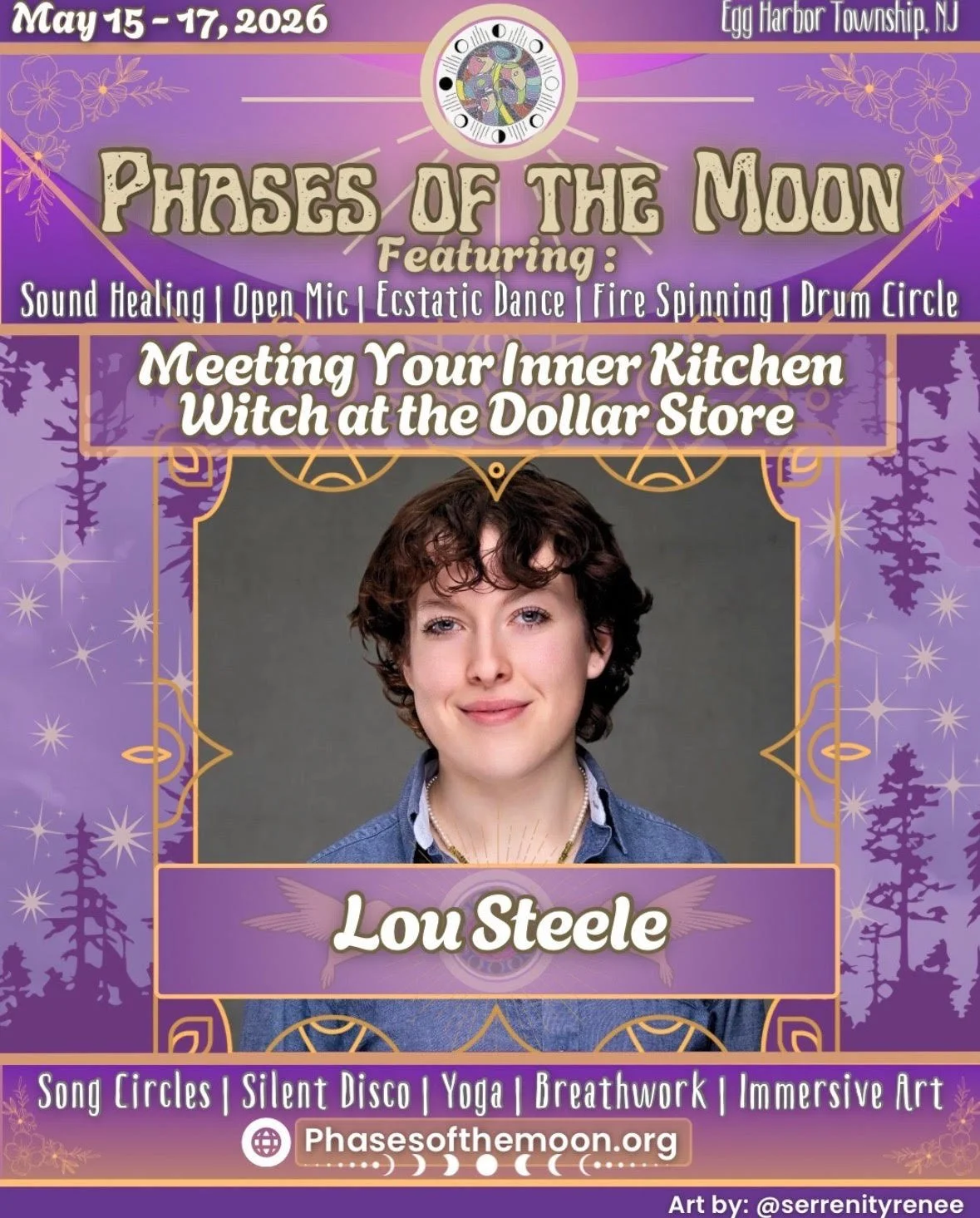
“Lou is one of the most engaging presenters I’ve encountered. They connected with the audience and shared so many examples that had real life applications and made foraging responsibly feel so much more accessible and less overwhelming.”
— Nicole
“I went into this presentation expecting not to be entertained, but I was. ”
— Brooke